For decades, the Food and Drug Administration has allowed chemical companies to decide whether most food chemicals are safe. EWG recently found 99 percent of the food chemicals that have entered the marketplace since 2000 were reviewed for safety by industry scientists, not the FDA.
But in those rare instances when the FDA reviews chemicals for safety, it does not evaluate old decisions – even if there is new evidence of their health harms.
Some chemicals, like pesticides, must be reviewed for safety by the EPA every 15 years. But there is no requirement for the FDA to periodically double check the safety of food chemicals.
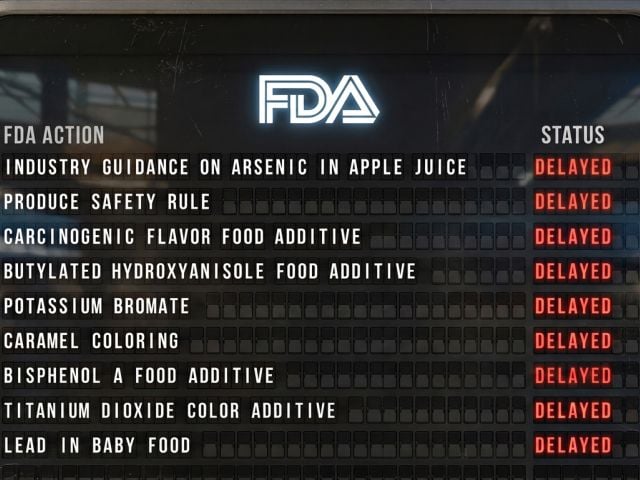
As a result, the vast majority of the chemicals we consume in a host of foods and beverages every day have not been reviewed for safety for decades, if ever. Two chemicals – potassium bromate and propylparaben – linked to cancer and harm to the immune system, respectively, have not been reviewed for safety by the FDA in nearly half a century.
Pledges by the FDA to conduct safety reviews often go unfulfilled. A 1990 promise to review the safety of Red No. 3, which is linked to cancer, was broken. In the case of BVO, a chemical used in soda, the FDA committed to a prompt safety review – in 1977. The agency finally banned both chemicals in 2025, but only after states acted first..
Even when organizations petition the FDA, it is slow to act. In the case of BHA, a chemical that has been linked to cancer, the agency has not responded to a petition to review it for 33 years.
Recent proposals by the FDA won’t make our food safer. Under the FDA’s “generally recognized as safe” proposal, food chemical companies will still decide whether new food chemicals are safe, and the FDA still won’t be required to review the safety of the chemicals we’re already eating.
The FDA has frequently conceded this lack of “post-market” review.A task force of experts appointed by the FDA also documented a troubling bias against action, citing agency infighting and “consistent turmoil.”
What you can do
In the meantime, if you want to lower your intake of harmful food ingredients, you can:
- Consult EWG’s Food Scores database to find products made without toxic food chemicals like those state bills are targeting.
- On the go, check EWG’s Healthy Living™ app for products free from problematic substances.
- When possible and affordable, limit your intake of ultra-processed foods. Many contain concerning ingredients.
- Choose packaged foods that are certified organic, whenever possible. These products must meet strong standards that protect consumers from exposure to potentially harmful additives.