MINNEAPOLIS – One in five Americans, or more than 60 million people, rely on drinking water systems with elevated levels of nitrate, a contaminant increasingly linked to cancer, birth defects and other serious health harms, a new Environmental Working Group analysis finds.
“These findings underscore that millions of Americans are exposed to a dangerous contaminant that federal regulations fail to adequately control,” said Anne Schechinger, EWG’s senior director for agriculture and climate research and lead author of the analysis.
Drawing on federal drinking water data from 2021 through 2023, the EWG analysis shows that 6,114 community water systems across the country detected nitrate at levels at or above 3 milligrams per liter, or mg/L, in at least one test.
This level is below the current federal legal limit set by the Environmental Protection Agency of 10 mg/L, based on a 1962 U.S. Public Health Service recommendation. But a growing body of scientific evidence indicates that long-term exposure to nitrate even at much lower concentrations can increase the risk of colorectal cancer, thyroid disease, and adverse birth outcomes, including low birth weight and neural tube birth defects like spina bifida.
EWG’s recommended health-based nitrate benchmark that would reduce colorectal cancer risks to one-in-one million is 0.14 mg/L, far lower than the EPA’s limit.
“The EPA’s current nitrate standard is decades old and does not reflect modern science on the health risks of nitrate pollution,” Schechinger said.
Key findings of EWG's analysis
- 62.1 million people were served by community water systems that tested for nitrate at or above 3 mg/L at least once.
- 38 million people received water at or above 5 mg/L, a level health research increasingly links nitrates to cancer and reproductive harms.
- More than 3 million people received water at or above the woefully outdated federal legal limit of 10 mg/L — a threshold set based on science from over 60 years ago solely to prevent blue baby syndrome, a condition that reduces the blood’s ability to carry oxygen in infants.
Widespread and preventable threat
Nitrate contamination is one of the most pervasive forms of U.S. drinking water pollution, particularly in agricultural states.
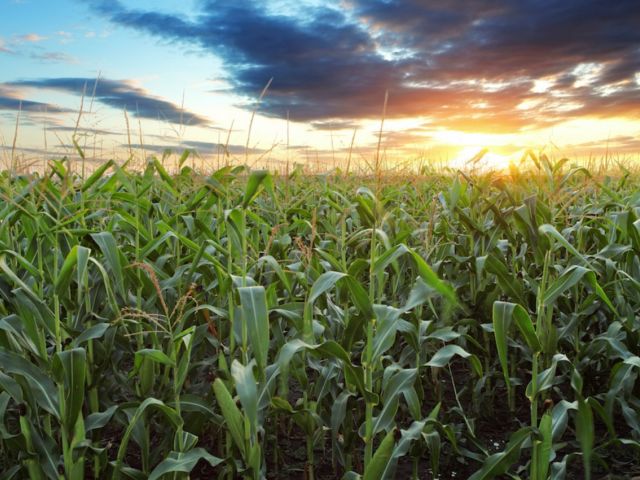
The primary contamination sources are fertilizer runoff from crop farming and manure from livestock operations. Once in groundwater and surface water, nitrate is difficult and costly to remove, leaving many communities – especially rural ones – vulnerable to chronic exposure.
EWG’s analysis underscores the scale of the problem. Elevated nitrate levels were found in water systems serving communities in nearly every state, affecting both small towns and major metropolitan areas, including Las Vegas, Los Angeles, Philadelphia and Phoenix.
Because nitrate is colorless, odorless and tasteless, people often have no indication that their water is contaminated.
Infants and pregnant people are especially at risk. Nitrate exposure has long been associated with blue baby syndrome and other developmental harms. This raises concerns that current nitrate tap water limits fall far short of what’s needed to safeguard public health.
EPA tap water standards lag behind science
Public health experts and scientists are increasingly calling for stronger protections than the federal legal limit in drinking water, known as a maximum contaminant level, or MCL.
Studies suggest that nitrate levels well below the current legal limit may still pose significant risks over time, particularly for vulnerable populations.
“The science on the threats of nitrate exposure has advanced, but our public health protective standards have not,” said Schechinger. “We now know that even low-level exposure can have serious health consequences, yet federal policy continues to rely on an outdated threshold that fails to protect millions of people.”
Communities bear the financial burden
Consumers can enter their ZIP code in EWG’s Tap Water Database to check for nitrates and other contaminants in their public drinking water. The database also offers guidance on water filters that can reduce nitrates and other pollutants in your tap water.
For many communities, addressing nitrate contamination is not just a public health issue but a financial one.
Removing nitrate from drinking water requires expensive treatment technologies, costs that are often passed on to ratepayers. Smaller and rural water systems frequently lack the financial resources to install and maintain such systems, leaving both the water utilities and residents with few options.
In some areas, families turn to bottled water or in-home filtration systems, adding to household expenses. Others have no choice but to consume contaminated water, highlighting inequities in access to safe drinking water.
Climate change is part of the problem
Agriculture produces greenhouse gases, which contribute to climate change, and climate change causes more extreme weather, which worsens the problem of nitrate contamination of drinking water.
Climate change is leading to more rain or drought or both, depending on the region. Both excessive rain and increased drought can lead to more nitrate pollution of water from farming. Changes in thawing soil and melting snow driven by climate change can also make the problem worse.
Federal and state policy changes needed
Federal farm policy is a key driver of nitrate pollution, and policy reform can help change that. Farm subsidies should reward crop diversification and longer rotations and expand eligibility to crops with lower climate and water impacts.
Conservation funding also needs refocusing. Programs such as the Agriculture Department’s Environmental Quality Incentives Program and Conservation Stewardship Program should prioritize proven practices that reduce nitrate runoff. Such practices include regenerative agriculture methods that improve both water quality and climate outcomes.
The EPA must urgently update its assessment of nitrate’s health risks in drinking water, a necessary step toward lowering the decades-old MCL.
States facing widespread nitrate contamination should act to limit pollution at its source. Minnesota provides a strong example: The state requires vegetative buffers between farmland and waterways and restricts fertilizer use on frozen or vulnerable ground.
These measures are already reducing nitrate pollution. Other states can adopt similar strategies to better protect drinking water and public health.
###
The Environmental Working Group (EWG) is a nonprofit, non-partisan organization that empowers people to live healthier lives in a healthier environment. Through research, advocacy and unique education tools, EWG drives consumer choice and civic action.