Articles by Sarah Reinhardt, MPH, RDN
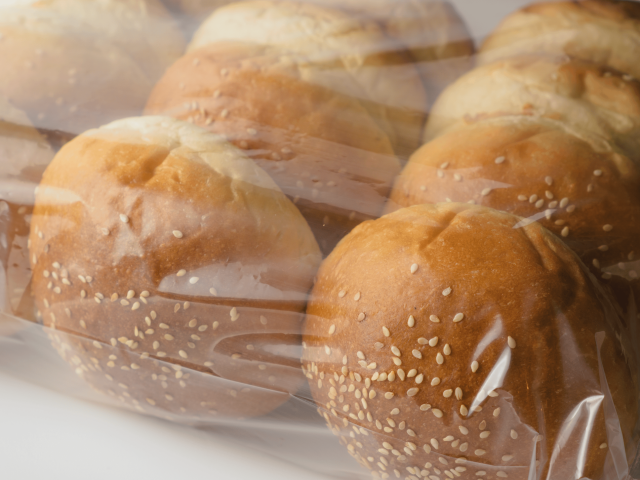
Dirty Dozen™ food chemicals: Potassium bromate
EWG’s recommendation Avoid or limit foods containing potassium bromate. Potassium bromate has been classified as a possible carcinogen by the World Health Organization’s cancer research agency, based...
Dirty Dozen™ food chemicals: propyl paraben
EWG’s recommendation Avoid or limit foods containing propyl paraben. Propyl paraben is a synthetic preservative shown in studies to mimic the hormone estrogen, raising concerns about its potential to...

State food chemical laws don’t create chaos. They make food safer for everyone.
More than a dozen states have now passed laws restricting certain chemicals from food. Most apply to food served in schools, and a few may apply to food sold in stores. Companies have argued that...

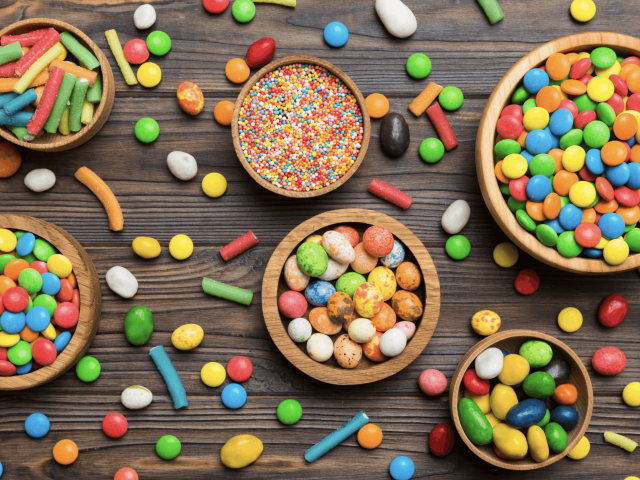
Dirty Dozen™ food chemicals: Artificial dyes
EWG’s recommendation Avoid or limit foods containing artificial dyes. Human and animal studies suggest artificial food dyes may harm children’s behavior and brain development. Studies on laboratory...
Dirty Dozen™ food chemicals: Titanium dioxide
EWG’s recommendation Avoid or limit foods containing titanium dioxide. Titanium dioxide is a color additive used to brighten packaged foods. Food-grade titanium dioxide contains a large amount of...
Ultra-processed food affects metabolism and brain activity, even with the same nutrients
It’s not just poor nutrition that links ultra-processed food to health harms, a new study finds. The body’s response is also determined by the amount of processing the food has gone through, which...
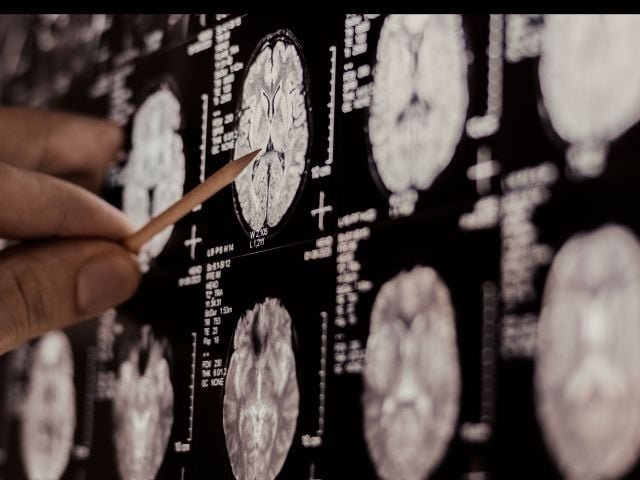
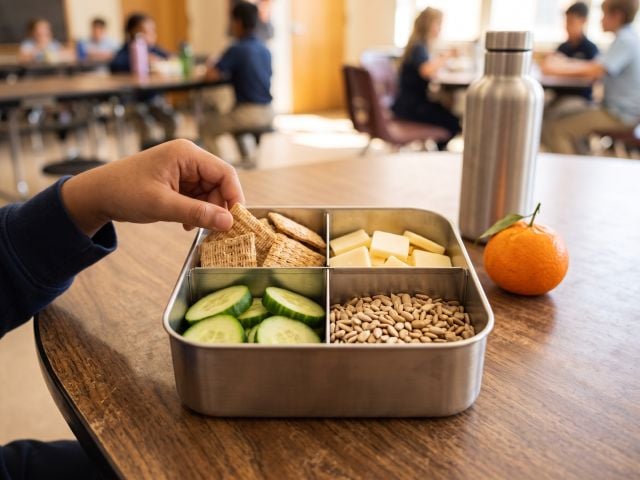
5 healthier school lunches you can pack in minutes
Food companies sell a lot of pre-packaged lunches wrapped in bright colors, new flavors or other ways to get kids’ attention. In fact, the company behind Lunchables used some of the same research and...
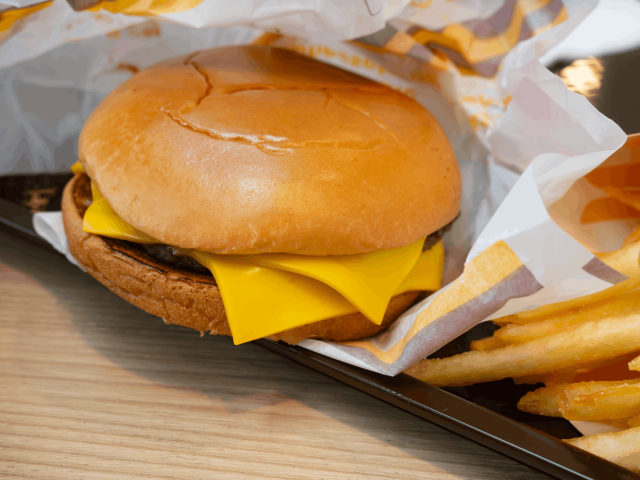
Most fast food chains have concerning chemicals on the menu
When you’re trying to decide what to get at your favorite fast food spot, it can be hard to know exactly what you’re eating – including whether it’s made with potentially harmful ingredients. That’s...
Adding folic acid to food can save newborn babies. A misleading food 'safety' bill could block that
Food companies are pushing a bill in Congress, the FRESH Act , as a food safety measure. It isn’t. The bill, if enacted, would block state laws regulating chemicals in food, known as preemption. And...

‘The Great Reformulation’: How some grocery giants are cutting back on food chemicals
Many grocery stores are meeting consumer demand by taking food chemicals off their shelves. More than 70% of U.S. adults are concerned about chemicals in their food and water – and they deserve better...
We checked 12 fast food chains for ultra-processed ingredients. Only one had none
Fast food chains – think popular places like KFC, McDonald’s and Pizza Hut – can be quick and easy places to grab a meal. And many of us do. U.S. families get almost a third of their calories from...
4 ways the food industry fools your senses
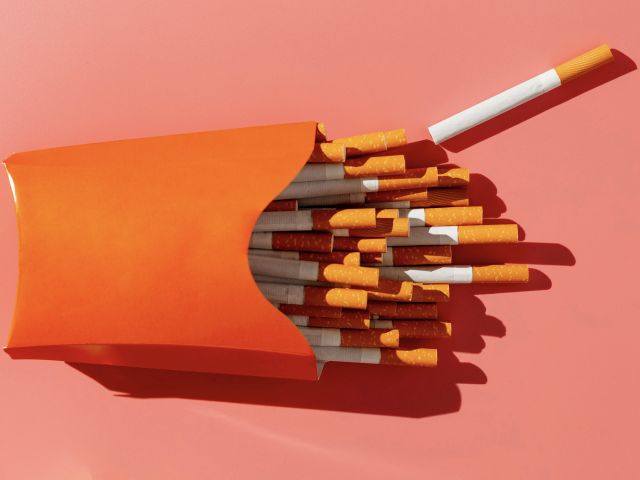
Companies use a range of tricks to make your food taste more flavorful. Many of these tactics come straight from the tobacco industry playbook – and they’re so effective that some ultra-processed...

Dirty Dozen™ food chemicals: Aspartame
EWG’s recommendation Avoid or limit food and beverages containing aspartame. Aspartame has been classified as a possible carcinogen by the World Health Organization’s cancer research agency...
Dirty Dozen™ food chemicals: ADA
EWG’s recommendation Avoid or limit foods containing azodicarbonamide, or ADA. ADA breaks down during baking into several compounds, including semicarbazide, or SEM. Laboratory and animal studies...
Dirty Dozen™ food chemicals: Propyl gallate
EWG’s recommendation Avoid or limit foods containing propyl gallate. Propyl gallate is a preservative that has been linked to oxidative stress, which is when reactive molecules build up and damage...
Dirty Dozen™ food chemicals: BHT
EWG’s recommendation Avoid or limit foods containing BHT. BHT has not been formally classified as a carcinogen, but studies have linked it to tumor promotion in animals. BHT and its breakdown products...

What’s the difference between processed and ultra-processed foods?
Ultra-processed foods. Highly processed foods. Processed foods. All terms we’re hearing more often as research continues to link ultra-processed food, or UPF, to diseases like cancer, depression and...
Why factory farms are a major threat to food safety
Every week, federal investigators track between 17 and 36 foodborne illness outbreaks that can cause extreme sickness and even death. Industrial livestock farming, also known as factory farming, is a...
Dirty Dozen™ food chemicals: BHA
EWG’s recommendation Avoid or limit foods containing BHA. BHA has been classified as a possible carcinogen , or cancer-causing chemical. Studies have shown BHA to produce oxidative stress, which...
New research: It’s time to treat ultra-processed foods like tobacco
A special health journal issue on ultra-processed food, or UPF, calls for bold policy action to address the growing public health crisis – and that efforts focused solely on personal responsibility...