EWG’s recommendation
Avoid or limit foods containing azodicarbonamide, or ADA.
ADA breaks down during baking into several compounds, including semicarbazide, or SEM. Laboratory and animal studies suggest SEM may damage genetic material or cause cancer.
What is ADA?
ADA is a dough strengthener and flour bleaching agent. It is used to improve the texture of dough and brighten the appearance of flour.
Outside of the food industry, it’s used as a chemical foaming agent for the foam rubber in yoga mats.
Which foods contain ADA?
ADA is typically found in bread, deli sandwiches and frozen appetizers.
Look for ADA in product ingredient lists, usually below or next to the Nutrition Facts panel, on the back of the package. It may also appear as “azodicarbonamide.”
How is ADA regulated?
The Food and Drug Administration is responsible for overseeing food additives and other ingredients. ADA is allowed for use in food at up to 45 parts per million in cereal flour and dough conditioner in bread.
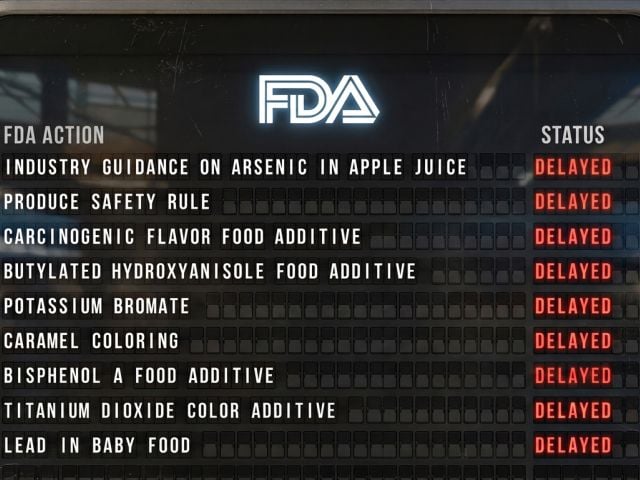
In 2026, the FDA began a new safety review of ADA, requesting public input on current use levels, dietary exposures and the presence of toxic breakdown byproducts like SEM and urethane in the food supply. EWG submitted comments to the FDA on ADA, citing potential health concerns in urging the agency to ban its use in food.
The European Union never authorized ADA as a food additive, though it did allow it in food-contact plastics. The EU banned ADA from all food contact materials in 2004 over the potential carcinogenicity of SEM, which forms during high-heat sterilization of glass jars.
A later European Food Safety Authority review found newer studies showed ADA did not harm genetic material and concluded the risk to human health was low. But the ban remains in place.
ADA is also banned as a food additive in Brazil, China, India and New Zealand because of toxicity concerns.
In the U.S., ADA is prohibited in food certified as organic under Agriculture Department standards, which bar synthetic substances.
What does the science say about ADA?
The metabolite SEM forms when ADA is used in flour and bread during baking and other high-heat food processing – a finding first documented in the mid-2000s. In a 2016 survey of more than 250 products, the FDA found SEM levels vary widely across foods.
SEM has caused tumors in mice and shows some evidence of potential DNA harm. While the DNA-damaging effects aren’t consistent across all studies, the combination of cancer-causing and DNA-harming potential may be cause for concern.
One animal study found SEM interfered with testosterone regulation in both male and female rats. Another found it can impair the male reproductive system, affecting sperm in mice even at low doses. Animal studies have also linked SEM exposure to potential damage in other organs, including the heart, liver and kidneys.
Find out more
Learn more about recommendations relating to ADA – and the full EWG Dirty Dozen™ list of food chemicals – on EWG’s research page.
EWG’s Food Scores provides ratings for more than 150,000 foods and drinks based on nutrition, ingredients and processing concerns. Food Scores flags unhealthy ultra-processed foods to help you identify alternatives.
EWG’s free, searchable Skin Deep® cosmetic database helps to identify harmful chemicals in personal care and beauty products. EWG Verified® products meet EWG’s strictest criteria for ingredient transparency and health.
And the Healthy Living app lets you take these tools with you on the go.