Displaying 7681 - 7704 of 8036
Toxic algae exposure leads to more than 300 emergency room visits in three years
Harmful algae blooms caused 321 emergency room visits between 2017 and 2019 for respiratory, gastrointestinal, neurologic and skin problems, a new Centers for Disease Control and Prevention study says...

October 2016: Breast Cancer Awareness Month
There are more than 3 million women living with breast cancer in the U.S. and it is estimated that almost 250,000 women and 2,600 men will be diagnosed this year.
PFAS news roundup
September 17: PFAS could cost taxpayers billions of dollars, manufacturing PFAS emits a potent greenhouse gas and more

EWG news roundup (9/24): Key PFAS provisions included in Department of Defense spending bill, coalition calls for Toyota to drop opposition to Biden EV plan and more
EWG news roundup (9/24): Here’s some news you can use going into the weekend.

August 2016: Mapping Cancer Worldwide
In the U.S., and most of the world, breast cancer is the most common cancer to strike women. But for Chinese women it's lung cancer, and in some African, and South and Central American nations, it's...
Toxic Fire Retardants Are Everywhere in Homes, New Studies Find
Harmful fire retardant chemicals are turning up in everything from furniture to dust in American homes, researchers report in two new studies being published today (Nov. 28), a finding that...

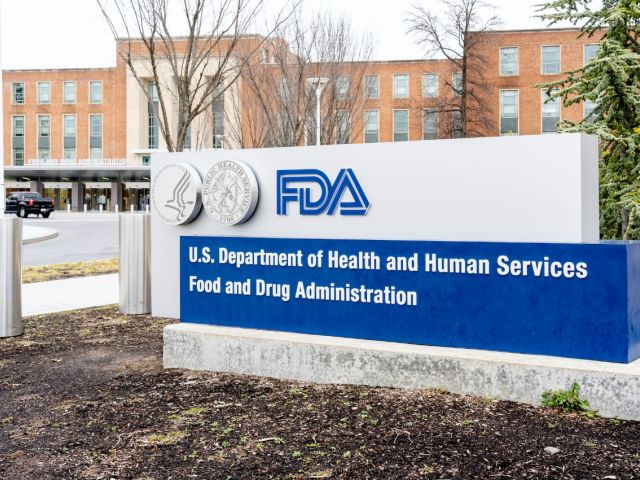
For decades, the FDA knew ‘forever chemicals’ were harmful but failed to act
The Food and Drug Administration has understood since 1966 that the toxic “forever chemicals” known as PFAS could increase cholesterol and cause liver lesions, E&E reported today.
Why is cancer-causing benzene widespread in personal care products?
Benzene is a sweet-smelling, petroleum-derived toxic chemical classified by the Environmental Protection Agency as a known human carcinogen – and now it’s being detected in many personal care products...

Research
In the Mississippi River region, billions of dollars spent on crop insurance payouts could have been used instead to retire over 300,000 acres of frequently flooded fields
The almost $1.5 billion in federal crop insurance indemnities sent to farmers in the Mississippi River Critical Conservation Area for flooding damage between 2001 and 2020 could have instead taken more than 300,000 acres of frequently flooded farmland out of production.

Research
For decades, the FDA knew toxic 'forever chemicals' were dangerous but continued to allow their use
As far back as the 1960s, animal studies showed the chemicals caused harm even months after exposure ended and industry studies showed they could migrate from paper and paperboard food packaging into food.
Getting Arsenic out of Your (and Your Kids') Diet
Although scientists and government regulators have long known about the ever-present threat of arsenic in our diet and water, it was unsettling when two major reports came out on the same day (Sept...

New tests find ‘forever chemicals’ still in many fast food wrappers
The toxic “forever chemicals” known as PFAS have been detected on dozens of food wrappers from major fast-food chains, according to new test results released today by Consumer Reports.

State audit slams California utility regulators for lax wildfire safety oversight
Regulators charged with oversight of California’s investor-owned electric companies failed to ensure steps were being taken to mitigate the risks of wildfires caused by damaged power lines, finds a...

Research
EWG investigation: Dangerous agricultural chemical chlormequat found in popular oat-based products
A new EWG investigation finds for the first time troubling concentrations of the toxic agricultural chemical chlormequat in oat-based products sold in the U.S., including everyday brands marketed to adults and children. The chemical may be harmful to human health. Chlormequat was discovered in all but one of 13 non-organic oat-based cereals, granola and other products in EWG-commissioned tests

Immerse yourself in EWG’s work. Make a positive health impact in your home, school or community. Learn and grow your skills to drive meaningful change.
This Valentine’s Day, give the gift of fragrance – without the danger of toxic chemicals
“Clean” beauty in 2023 is one of the fastest growing categories in the personal care space, so you may want to give – or hope to get – clean fragrance this Valentine’s Day.

EWG's work on toxics and natural resources
Here's a look at what the Environmental Working Group staff has been up to lately, and how our research, advocacy and commentary are being covered in the press.

Will agriculture be America’s leading source of greenhouse gas emissions?
Agriculture could produce more than a third of U.S. greenhouse gas emissions by 2050. Here’s why: Every other sector of the economy, especially transportation and energy, is expected to reduce...

Roses are red, candy is sweet, avoid these additives in your Valentine’s Day treat
Chocolates and heart-shaped pastilles with cutesy phrases like “QT Pie” are sweet. What isn’t sweet are the potentially harmful food chemicals that may be hiding in your Valentine’s Day candies. This...

Nearly 20,000 farmers received farm subsidies for 37 consecutive years
Nearly 20,000 farmers received taxpayer-funded federal farm subsidies or disaster relief payments for 37 consecutive years, according to a new EWG analysis.

California lawmaker introduces bill to eliminate fiberglass from mattresses and other upholstered furniture
Today California Assemblymember Laura Friedman (D-Glendale) introduced Assembly Bill 1059, which would ban the sale of mattresses and upholstered furniture that contain fiberglass in the state.

Farm subsidies, not anti-hunger programs, should be focus of budget cuts
Yesterday, the Congressional Budget Office released “baseline” projections for mandatory Department of Agriculture farm and food programs in the 2023 Farm Bill, which members of Congress will use to...

Research
Federal PFAS Report Card
EWG has researched actions the federal government is committed to taking, or for which it faces congressionally mandated deadlines, to tackle the “forever chemicals” known as PFAS.

Tax breaks and other financial incentives for bitcoin mines using proof of work have created what one opponent calls a “Wild West” of operations flooding Kentucky, with unfulfilled promises that the mines would create jobs and reduce electricity rates.
