The Bush Administration says it will allow coal-burning power plans and other mercury polluters to trade emissions allowances, rather than requiring each facility to meet stricter standards. The cap-and-trade policy allows facilities in mercury “hot spots” to continue emitting high amounts of mercury.
EWG investigations have documented high levels of mercury pollution in seafood, especially in tuna and swordfish. Pregnant mothers consuming high levels of mercury can harm brain development and reduce IQ in infants and young children in utero.
A recent study in Environmental Health Perspectives found stunted brain development from mercury exposure is not just a health risk, but an economic one as well. Mt. Sinai Hospital pediatricians calculated the United States loses $8.7 billion a year due to mercury’s effect on children’s brain development. $1.3 billion of the economic loss is directly accredited to mercury pollution from coal-fired power plants.
EWG is appealing another Bush decision on mercury that puts public health at risk: the FDA’s refusal to change its consumer advisory on seafood for pregnant women. The advisory recommends amounts of mercury-tainted seafood that would be unsafe for women to eat. According to EWG's analysis of FDA data, if women follow FDA's advice on "safe" levels of consumption of mercury-contaminated seafood like white (albacore) tuna, 74 percent of American women will go over the safe level for mercury in their blood. Already 630,000 babies are born in the U.S. each year with unsafe levels of mercury in their blood.
View EWG’s work on Mercury and Seafood
Related News
Continue Reading
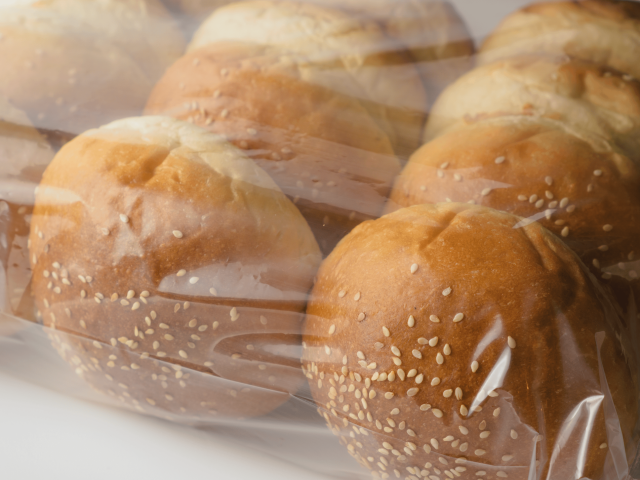
Dirty Dozen™ food chemicals: Potassium bromate
EWG’s recommendation
Avoid or limit foods containing potassium bromate.
Potassium bromate has been classified as a possible carcinogen by the World Health Organization’s cancer research agency, based on...

Food was on the table. Now Congress should deliver.
Food was on the table during the election – and voters are hungry for change.
While many issues mattered to voters, polling shows that food issues like rising food inflation, food safety and how food...

State food chemical laws don’t create chaos. They make food safer for everyone.
More than a dozen states have now passed laws restricting certain chemicals from food. Most apply to food served in schools, and a few may apply to food sold in stores.
Companies have argued that...
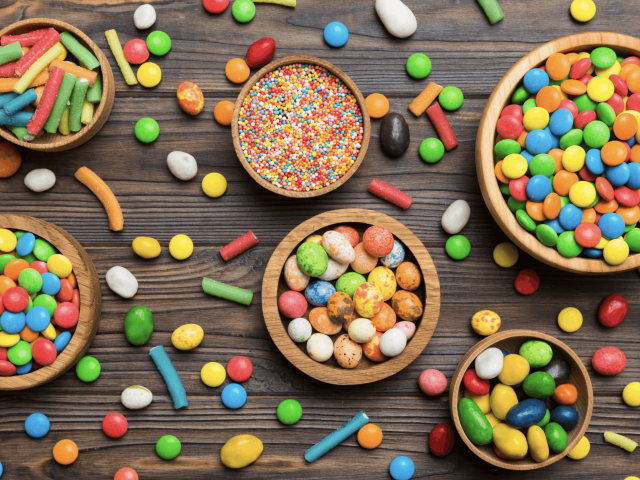
Dirty Dozen™ food chemicals: Titanium dioxide
EWG’s recommendation
Avoid or limit foods containing titanium dioxide.
Titanium dioxide is a color additive used to brighten packaged foods. Food-grade titanium dioxide contains a large amount of...