MINNEAPOLIS – Iowa has 15,309 livestock farms that generated 107.6 million tons of manure in 2025, polluting the state’s water and putting Iowans’ health at risk, a landmark Environmental Working Group mapping project finds.
For this comprehensive report, EWG mapped every livestock facility in the state using aerial and satellite imagery, uncovering a much greater industrial footprint than Iowa’s own data suggests. The state Department of Natural Resources tracks just under 11,000 facilities – a significant undercount, compared to the 15,000-plus EWG found.
Much of the manure generated ends up applied – untreated – to nearby farm fields, where it can leach into groundwater or run off into rivers, streams and lakes, polluting tap water.
When manure leaves the fields it is applied to, the nitrogen it contains can form nitrate in drinking water. Research links nitrate – found in manure and commercial fertilizer – in drinking water to an increased risk of colorectal, bladder, kidney, ovarian and thyroid cancers, as well as adverse birth outcomes, including preterm birth, low birth weight and spina bifida.
Iowa has the second-highest rate of new cancer cases in the nation, and its cancer rates continue to rise.
“Iowa is drowning in manure from factory farms,” said report co-author Anne Schechinger, EWG’s senior director of agriculture and climate research. “The health threats of manure ending up in recreational and drinking water are well known and need to be addressed.”
The manure generated by Iowa’s factory farms is equivalent to 33 tons of waste for every person in the state each year – the same weight as over 53 million Ford F-150 pickup trucks
Many large factory farms
Hog operations dominate Iowa’s factory farm landscape, accounting for 66% of all facilities, EWG’s mapping found. Iowa produces a third of all U.S. pork, so the pollution problems linked to the large-scale factory farming of hogs aren’t limited to the Hawkeye State.
Minnesota, the second-largest pork producer, accounts for just 12% of U.S. production.
The number of large animal facilities – those with 1,000 or more “animal units” – increased by nearly 13% between 2019 and 2025, from 3,936 to 4,444. Those large facilities represent just 29% of all operations but generate 60% of all manure.
EWG also found 3,276 operations with between 950 and 999 animal units – just below the threshold that triggers Environmental Protection Agency requirements for water permits and manure management plans. These facilities produce large amounts of manure but are not regulated as stringently as larger operations, leaving nearby communities without adequate protection.
Nitrate pollution associated with the application of these facilities’ manure to fields is alarming. EWG recently released an analysis of nitrate levels in drinking water provided by community water systems across the U.S. It revealed that in Iowa, 146 community water systems had elevated levels of nitrate at some time between 2021 and 2023.
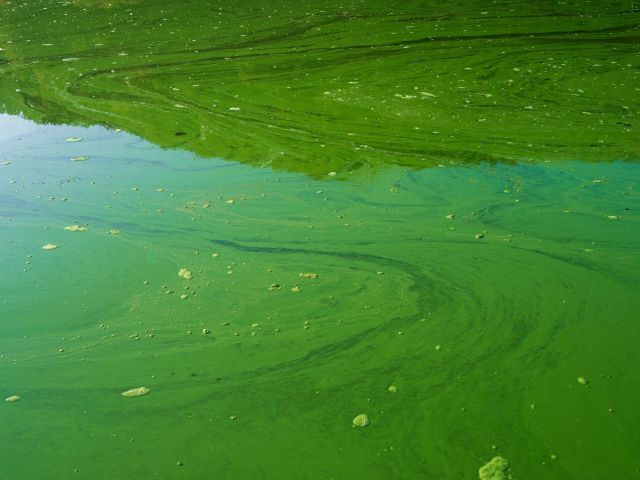
Manure runoff from farm fields also fuels toxic algae blooms in recreational waters, posing additional risks to public health.
“Science increasingly links this waste to serious health harms, including cancer. We can’t keep ignoring the problem – real policy changes can help and are overdue,” added Schechinger.
Potential policy solutions
The federal government spends billions annually on farm conservation programs. But EWG’s analysis of the Agriculture Department’s Environmental Quality Incentives Program, or EQIP, finds that federal dollars are not being directed to where they could make the most difference.
Two of the most-funded EQIP practices in Iowa between 2017 and 2024 were waste storage facilities and manure storage structure covers – infrastructure that supports factory farming. Together those two practices received $44.7 million in federal funding, representing 17% of all EQIP dollars awarded to Iowa farmers.
“Federal money subsidizes the very practices that drive this water pollution problem. That has to change,” said Ethan Bahe, the report’s other co-author and EWG senior GIS analyst.
EWG recommends redirecting conservation funding to practices proven to reduce nutrient runoff and protect drinking water, including those on EWG’s list of regenerative agriculture practices. Expansion of permitting requirements to cover more facilities would also ensure greater oversight of factory farms, which should include more local authority over them.
Consumers can also help by choosing to eat less factory-farmed meat, which could reduce the market demand that leads to the proliferation of facilities in Iowa and across the country. EWG’s Meat and Dairy Label Decoder helps consumers identify products from animals raised outside industrial operations.
###
The Environmental Working Group is a nonprofit, non-partisan organization that empowers people to live healthier lives in a healthier environment. Through research, advocacy and unique education tools, EWG drives consumer choice and civic action. Visit www.ewg.org for more information.