Displaying 2761 - 2784 of 7958
California Assembly approves bill to ban toxic ‘forever chemicals’ from kids products
Today the California Assembly passed Assembly Bill 652 by a vote of 53-0.

Research
In the Corn Belt, planting of cover crops plateaus, even as interest grows in their potential to address the climate crisis
The Department of Agriculture has known for almost a century that planting cover crops between growing seasons benefits soil, water and air quality. Now the USDA, heartland politicians and the agricultural industry are touting cover crops as a solution to the climate emergency.

Minnesota appeals court ignores threat to Pineland Sands communities’ water and health
The Minnesota Court of Appeals will not reverse the state’s decision to allow more irrigation permits in the Pineland Sands region, despite the lack of full environmental review – a ruling that clears...
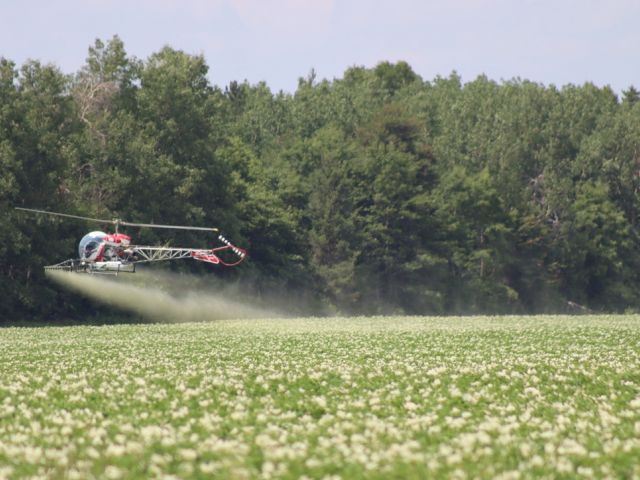
Biden EPA reverses Trump ‘secret science’ rule
The Environmental Protection Agency today officially reversed the former Trump administration’s controversial “secret science” rule that prevented the agency from relying on the most up-to-date...
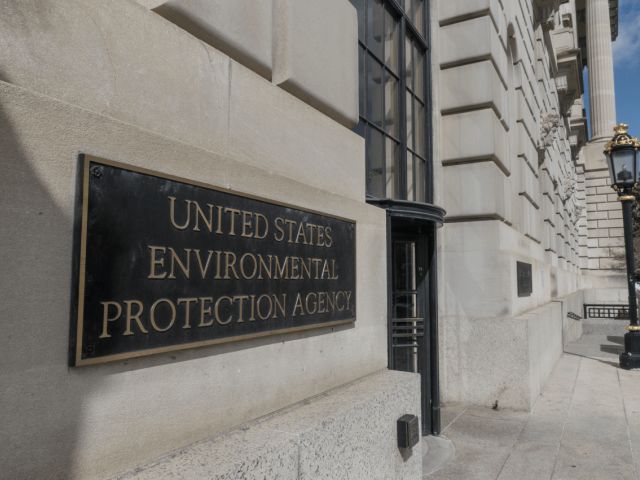
Tips for a healthy and safe Memorial Day holiday weekend
It’s Memorial Day weekend, the unofficial beginning of summer. As you get ready to spread the picnic blankets, fire up the grills and enjoy the warm evenings, EWG has useful tips for helping you and...

Research
Much Ado About Nothing
Wetlands, and federal efforts to protect them, have become the source of considerable controversy in recent years. Many opponents of the current wetlands regulatory system have made exaggerated claims about the effects of the federal wetlands permitting program on private landowners. Among those claims are that the U.S. Army Corps of Engineers wetlands program (authorized under Section 404 of the

In the Upper Mississippi River Basin, cover crops are usually planted in the fall, after the cash crop has been harvested, with emergence occurring later that year or the following spring. These emergence seasons help differentiate cover crops from cash crops like corn and soybeans, which are harvested in the fall and planted in the spring.
PFAS news roundup
Groups petition the EPA to ban ‘forever chemicals’ in food applications, bill introduced to limit PFAS water discharges, risks of PFAS exposure in children, and more.

EPA chemical office takes three actions on ‘forever chemicals’
The Environmental Protection Agency’s Office of Chemical Safety and Pollution Prevention today announced three actions to protect the public from the toxic “forever chemicals” known as PFAS.
Consumer Guides
EWG’s Guide to Safer Cellphone Use
At least six countries have issued warnings to consumers to reduce cellphone radiation exposures, especially those of children.

Consumer Guides
EWG’s Top 5 Tips for Choosing Safer Cosmetics for Kids
From shampoo and lotion, to baby oil and body wash, we apply cosmetics or personal care products every day to our skin, hair and nails.
Wisconsin’s Big Ag lobby threatens clean water rule
Wisconsin’s proposed nitrate pollution rule, critical to protecting the health of more than 1 million residents, is in danger of being blocked by a group of lawmakers beholden to industrial...

Watchdog group calls on Duke Energy to embrace fairness and justice for low-income communities
A coalition of public interest, environmental and economic justice organizations are demanding that Duke Energy, which has more customers than any other investor-owned electric utility, reverse years...

Consumer Guides
Guide to Solar Energy
Our reliance on fossil fuels has had devastating consequences on our environment and human health. The coal, gas and oil we burn to generate electricity emits hundreds of toxic pollutants into the air, causing increased instances of lung and cardiovascular health issues.

EWG news roundup (4/16): EWG applauds President Biden’s ambitious budget proposal, spring health goals and more
EWG news roundup (4/16): Here’s some news you can use going into the weekend.

Calif. health agency finds synthetic food dyes associated with ADHD, neurobehavioral problems in kids
Children who consume synthetic food dyes are more susceptible to hyperactivity and behavioral problems, according to a new report by the top California environmental health agency.

California Assembly approves bill to ban toxic ‘forever chemicals’ from food packaging
Today, the California Assembly passed Assembly Bill 1200 by a vote of 43-12. If enacted, the law would ban the toxic “forever chemicals” called PFAS from paper, paperboard or plant-based food...

Maryland consumer protection bill becomes law
The Environmental Working Group (EWG) and the Personal Care Products Council (PCPC) applaud enactment of Maryland House Bill 643 (HB 643), which prohibits the sale and manufacture of cosmetics and...

EWG comments to California OEHHA on the new version of EnviroScreen
EWG submitted comments to California's Office of Environmental Health Hazard Assessment in support of the revisions of the new draft version of CalEnviroScreen and applauds the agency's efforts to...
EWG comments to USDA’s Notice of Request for Public Comment on the Executive Order on Tackling the Climate Crisis at Home and Abroad
EWG submitted comments to the United States Department of Agriculture on the agency’s future climate-smart agriculture and forestry strategies, and cautioned the USDA against promoting industrial...
PFAS news roundup
July 23: California proposes bold public health goals for PFAS in water, House passes PFAS Action Act with bipartisan support and more
Bipartisan Senate infrastructure bill includes billions for cleanup of ‘forever chemicals’
EWG applauds the bipartisan group of Senate negotiators for their $550 billion infrastructure deal unveiled today that includes billions of dollars to clean up the toxic “forever chemicals” known as...

May 2017: Melanoma and Skin Cancer Awareness Month
Melanoma and Skin Cancer Facts Rates of new melanoma cases (both sexes) Rates of skin cancer, the most common cancer in the U.S., continue to rise sharply, especially among people over 50 years old...