Search

Areas of Focus

Areas of Focus
 

Displaying 4705 - 4728 of 7958

Transcript of EWG podcast 'Ken Cook Is Having Another Episode' – Episode 47

The longest U.S. government shutdown in history just ended and millions of Americans are about to pay for it. Health insurance premiums are set to double, SNAP food benefits were frozen for 42 million...

New study finds alarming rise in persistent ‘forever chemicals’ in pesticides

A peer-reviewed study published today in the journal Environmental Health Perspectives has found that per- and polyfluoroalkyl substances, or PFAS, known as “forever chemicals,” are increasingly being...

In betrayal of MAHA, House GOP farm bill exposes kids to pesticides

WASHINGTON – House Republicans’ newly released farm bill proposal would undermine public health, environmental protection and food security, while handing sweeping new protections to pesticide...

Best bang for your buck: Recreational sunscreens

Whether you’re spending time this summer relaxing at the beach or sunbathing in your backyard, protecting your skin from the sun is important. Nothing ruins a nice day, let alone a vacation, like...

EWG statement on California Supreme Court decision in rooftop solar lawsuit

SAN FRANCISCO – California’s Supreme Court today issued its opinion in a case challenging the California Public Utilities Commission’s decision to gut the state’s rooftop solar incentive program...

PFAS pesticides contaminate nearly 40% of non-organic California-grown produce

SACRAMENTO – Almost 40% of non-organic fruits and vegetables grown in California – which supplies more than half the nation’s produce – had residues of pesticides that are “forever chemicals” known as...

Secret food chemicals: New analysis finds over 100 unreviewed substances added to products

WASHINGTON – Over 100 chemicals of unknown safety are hiding in the food Americans eat every day – including sports drinks, snack bars, cereals and much more – according to a new analysis by the...

By Emily Do 
AUGUST 23, 2024

Phthalates (pronounced tha-lates) are chemicals used in many different commercial products, from cosmetics to medical products. They often work as fragrance stabilizers or plasticizers in cosmetic items. Phthalate exposure (when these chemicals get into the body) happens in a variety of ways, including absorption through the skin and eating contaminated food. 

Higher

West Virginia bill to ban harmful food chemicals from schools clears key vote

CHARLESTON, W.V. – Today the West Virginia Senate passed a bill , introduced by West Virginia Sen. Brian Helton (R-District 9), to protect school children in the state from harmful food chemicals. The...

EWG: Trump’s glyphosate executive order a ‘big middle finger to every MAHA mom’

WASHINGTON – President Donald Trump today signed an executive order invoking the Defense Production Act to guarantee the supply of glyphosate-based herbicides, claiming it is critical to national...

Are food and consumer product chemicals contributing to our obesity crisis?

The food industry insists America’s obesity crisis can be chalked up to simple math – people eat too much and exercise too little.

Millions of cropland acres in flood-prone Midwest fields become double polluters, EWG finds

MINNEAPOLIS – More than 4.2 million acres of cropland in four major Corn Belt states sit in flood-prone areas that generate emissions, adding to climate change and threatening drinking water quality...

Frightening food: The scary additives lurking in Halloween candy

Halloween is just days away, when children will dress up as ghosts, zombies and other scary creatures while they trick-or-treat.

New York lawmakers pass pivotal food safety bill
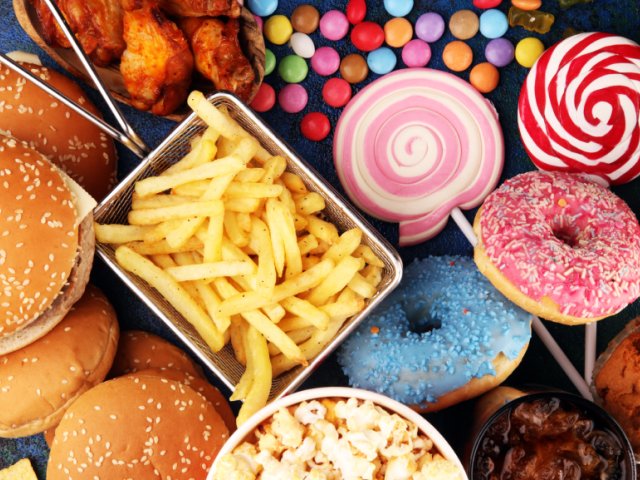
ALBANY, N.Y. – Lawmakers in New York state today passed legislation protecting New Yorkers from toxic food chemicals, advancing the bill for the governor’s signature. The New York Assembly’s 106-32...

California Senate committee advances landmark bill to protect schoolkids from harmful UPF

SACRAMENTO – Advancing commonsense policy to protect children’s health, the California Senate Education Committee today passed a bipartisan bill that would phase out certain ultra-processed food , or...
EWG scientists’ publication of in-depth peer-reviewed research significantly bolsters our authority in the scientific community and the power of our voice among consumer citizens, the media and on Capitol Hill. This page houses links to our research.

Trump EPA guts landmark PFAS tap water protections, leaving millions at risk of harm

WASHINGTON – In an unprecedented move that may violate federal law, the Environmental Protection Agency is proposing to roll back four final enforceable limits on the toxic “forever chemicals” known...

Food industry claims state chemical laws will spike grocery bills, but that doesn’t add up
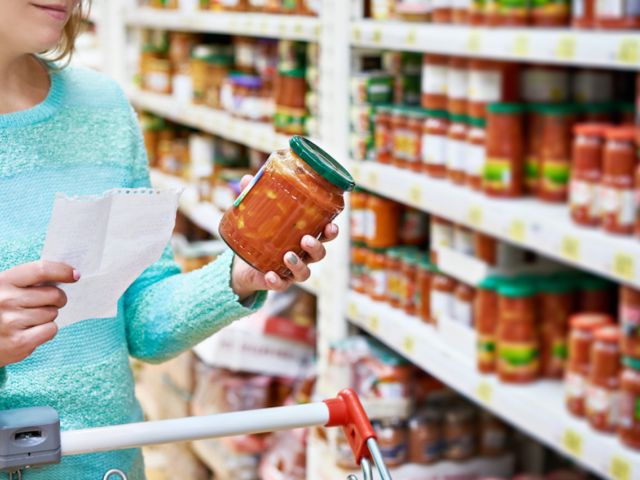
In a page straight out of the industry playbook, a powerful group of U.S. food companies has funded a “study” claiming consumers will pay more if harmful chemicals are labeled or banned.

EPA is undoing PFAS protections. How can you remove ‘forever chemicals’ from tap water?
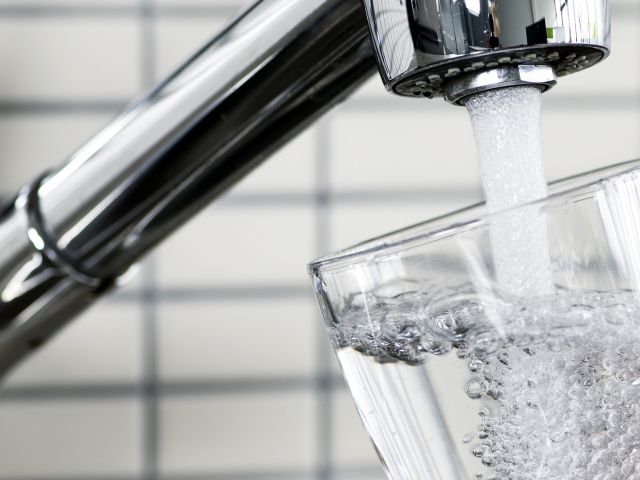
“Do I have PFAS in my tap water? How can I get rid of PFAS in drinking water?” If you’re asking these questions, you’re not alone. The Environmental Protection Agency formally proposed to undo...

Vermont becomes first state in the nation to ban Parkinson’s pesticide paraquat
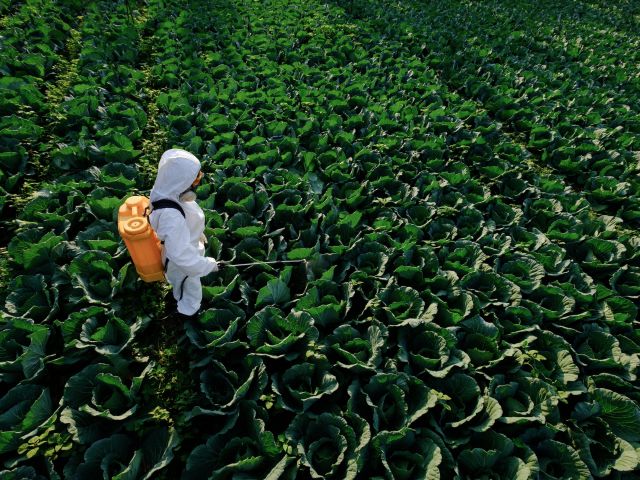
WASHINGTON – The Environmental Working Group praised Vermont for today becoming the first state in the nation to ban the use and sale of paraquat, one of the most toxic herbicides in the U.S., and one...
Research

EWG evaluation of food chemicals: BHA

EWG’s recommendation BHA is an ingredient of concern. EWG suggests limiting consumption of foods with this ingredient. The National Toxicology Program in 1991 classified BHA as “reasonably anticipated to be a human carcinogen.” It has been listed as a known carcinogen under California’s Proposition 65 since 1990. BHA is also shown to produce oxidative stress, which can disrupt cellular function

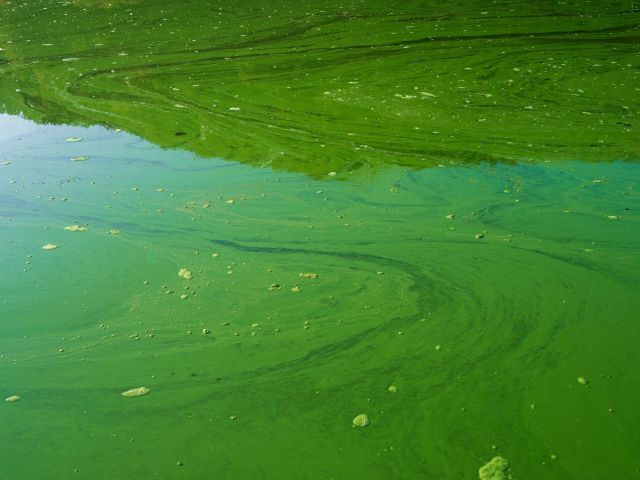
Algae blooms: Unsightly for the Reflecting Pool, potentially toxic elsewhere

Algae is making headlines after the Trump administration’s $14.2 million renovation of the Lincoln Memorial Reflecting Pool turned its water closer in color to the Chicago River on St. Patrick's Day –...
State bills show building momentum to ban toxic weedkiller paraquat

Update appended One state has banned use of the toxic weedkiller paraquat and 13 other states are weighing bills to prohibit it entirely or near public schools, signaling growing support for banning...

Dirty Dozen™ food chemicals: BHA

EWG’s recommendation Avoid or limit foods containing BHA. BHA has been classified as a possible carcinogen , or cancer-causing chemical. Studies have shown BHA to produce oxidative stress, which...