Displaying 1561 - 1584 of 7956
Transcript of EWG podcast 'Ken Cook Is Having Another Episode' – Episode 50
Julia Belluz, co-author of “Food Intelligence: The Science of How Food Both Nourishes and Harms Us,” joins EWG co-Founder and President Ken Cook to dismantle everything you think you know about...
Transcript of EWG podcast 'Ken Cook Is Having Another Episode' – Episode 54
We’ve all seen the headlines about micro and nanoplastics. It’s clear that the public is uneasy with the ubiquity of plastic particles in our food, soil, and water. The plastics and petrochemical...
California bill requiring full disclosure of chemicals in diapers passes Assembly floor
SACRAMENTO – The California State Assembly on March 26 decisively approved a bill that would give parents a complete list of what’s in their baby’s diaper . Assembly Bill 1901 cleared the Assembly...

Protein is everywhere – it probably isn't making us healthier
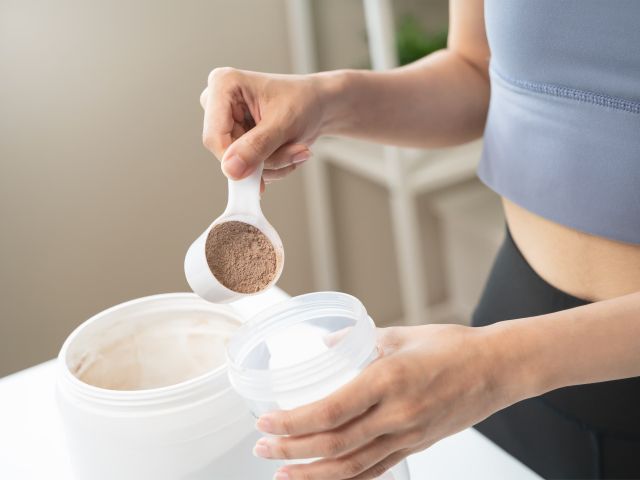
Protein used to be the domain of bodybuilders and fitness fanatics. Now it’s everywhere: high-protein claims on Doritos chips , Dunkin’ Donuts lattes , breakfast toaster pastries and even pints of ice...
5 viral – but problematic – TikTok tanning trends
With the days getting warmer, many are tanning or being outside more. Time in the sun is fun, as long as you protect yourself – and that usually means wearing sunscreen. But some recent TikTok trends...

Why factory farms are a major threat to food safety
Every week, federal investigators track between 17 and 36 foodborne illness outbreaks that can cause extreme sickness and even death. Industrial livestock farming, also known as factory farming, is a...
Bang for your buck: Safer moisturizing face sunscreens under $30
Protecting your skin from harmful ultraviolet rays is important. Finding a sunscreen for the face with broad spectrum SPF and moisturizing ingredients – but without toxic chemicals – isn’t necessarily...

Research
EWG evaluation of food chemicals: Propyl gallate
EWG’s recommendation Propyl gallate is an ingredient of concern, and EWG recommends limiting consumption of food containing this ingredient. Propyl gallate’s toxicity is linked to its breakdown in the body, which produces reactive oxygen species, or ROS. It also causes oxidative stress, a process connected to numerous chronic diseases. When broken down into pyrogallol, a highly reactive oxidizing

Research
EWG’s 2024 guide to countertop water filters
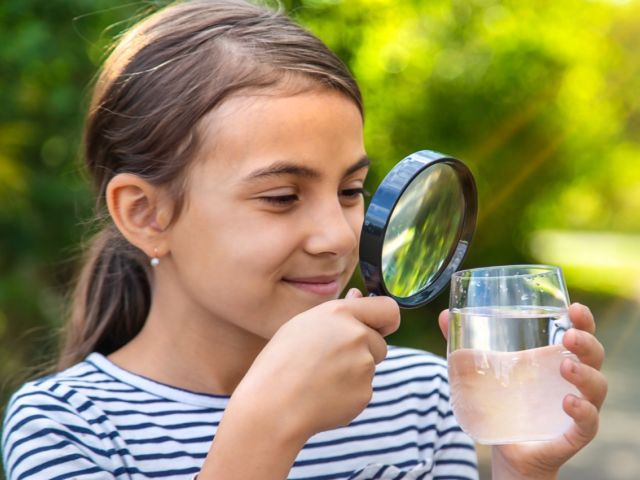
If you’re concerned about harmful chemicals in your tap water, you may be thinking of getting a water filter pitcher for your kitchen countertop – or if you already have a filter, making sure it’s the right one.
Safer skincare starter kits for teens
Teens experiencing acne or other skin imperfections due to hormonal changes often seek solutions. One source of help is “get ready with me” videos, which teens widely view and follow on apps such as...

EPA quietly unleashes three toxic ‘forever chemical’ pesticides onto America’s food supply
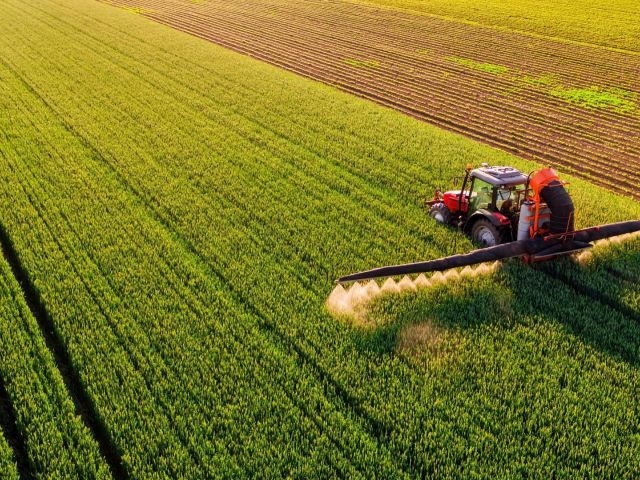
WASHINGTON – Under the radar, the Environmental Protection Agency has approved three new PFAS “forever chemical” pesticides for use on crops, including one EPA scientists flagged as having “suggestive...
Research
EWG evaluation of food chemicals: Sucralose
Sucralose is an ingredient of concern. EWG suggests avoiding or limiting consumption of products with this ingredient or using sucralose as a sugar substitute. This recommendation is specific to frequent consumption and non-medical uses.

For 41 years in a row, USDA sent taxpayer-funded payouts to roughly 9,000 farmers, totaling $10.6B
For more than four decades, almost 9,000 farmers have received taxpayer money every year through Agriculture Department payments totaling about $10.6 billion, a new EWG analysis finds. These massive...

EWG testimony to Vermont House Committee on Agriculture, Food Resiliency, and Forestry on H.911 to prohibit PFAS in pesticides and packaging
Good morning, Mr. Chairman and members of the Committee. Thank you for the opportunity to testify this morning. My name is Varun Subramaniam, and I am a Science Analyst at the Environmental Working...
‘City slicker’ payments swell to $2.6B with Trump’s Big Beautiful Bill and farm bailouts
More than 92,000 “city slickers” living in some of the biggest metropolitan areas in the U.S. took in over $2.6 billion in farm subsidies between 2020 and 2025, even though many of these people don’t...

EWG testimony to the California Senate Committee on Agriculture on AB1603 to increase the transparency and reporting of PFAS pesticides usage
Thank you for the opportunity to testify today. My name is David Andrews and I am the Chief Science Officer for the Environmental Working Group. I hold a Ph.D. in Chemistry from Northwestern...
Study: Pregnant women routinely exposed to chemicals of concern, some linked to poor birth outcomes
Potentially harmful but commonly used chemicals were widely detected in urine samples of pregnant people, according to a new study . At least 45 individual of these chemicals were found in half of the...

Interactive map: Tracking state food chemical regulation in the U.S.
Thousands of chemicals are allowed for use in food sold in this country. And while most of these are likely safe to eat, some have been linked to serious health harms.

CA bill would ban fire retardants from some baby products
Jessica Webb of Healthy Child, Healthy World blogs about an important bill to change to California fire safety standards for baby products, and the chemical industry's efforts to uncut these...

My friend neoprene, allergen of the year
In 2009, the dubious distinction of the "allergen of the year" was awarded to a group of chemicals most of us have never heard of: mixed dialkyl thioureas. Mixed who?

Sunscreen series: About those mineral sunscreens...
So you've read our 2009 sunscreen report cover to cover, right? OK, probably not - we're all too busy to handle that much information in the middle of summer - no matter how useful and scintillating...
Buying our way to utopia? Not so much.
Hi, my name is Lisa and I spend more time reading labels than ballots. There, I said it. Why do I spend so much time reading labels?

Because pesticides on your food aren't bad enough
Worried about your cantaloupe catching fire? You might not have to anymore! Your fruits and veggies may be doused in Deca, a flame retardant chemical and known neurotoxin.

When breast cancer has 'No Family History'
A while back, EWG staff scientist Olga Naidenko wrote here about the need to focus breast cancer research on prevention - with an emphasis on the role of carcinogens.