Displaying 7585 - 7608 of 7956
For decades, polluters knew PFAS chemicals were dangerous but hid risks from public
Cleaning Industry: Simple Steps to Improve Your Grades

Tackling the rising climate costs of American food and farming
Even if the U.S. stopped burning fossil fuels tomorrow, rising greenhouse gas emissions from food and farming could make a climate catastrophe unavoidable.

What effect do melanin and sunscreen have on vitamin D levels?

Stifling solar: Duke Energy’s long war against North Carolina clean energy
Duke Energy is asking North Carolina utility regulators to approve a plan that could stifle the growth of renewable solar power in the state while hiking ratepayers’ bills – the latest in the monopoly...
Sunscreen - Lessons Learned From a Trip to the Beach

EPA takes important steps to curb ‘forever chemicals’ in water, but more needed

EWG news roundup (4/29): EPA to suspend all uses of toxic weedkiller, Duke Energy seeks to stifle clean energy in N.C. and more
EWG news roundup (4/29): Here’s some news you can use going into the weekend.

FDA tests find U.S. food supply awash in pesticide residues
Congress sends historic $369 billion climate, clean energy legislation to President Biden’s desk
Leading industry consumer health expert joins EWG to head Healthy Living Science team

EWG news roundup (8/26): Calif. passes bill to ban intentionally added PFAS in cosmetic products, a look at the 2022 toxic algae season and more
EWG news roundup (8/26): Here’s some news you can use going into the weekend.
EWG: Bailout to keep Diablo Canyon nuclear plant running ‘dangerous and dumb’

"We need to stop this."
Study: Communities of color at greatest risk of pesticide exposure in Ventura County, Calif.

EWG news roundup (10/1): EWG VERIFIED® highlighted in Walmart’s Built for Better program, EPA ‘forever chemicals’ plan omits thousands of dischargers and more
EWG news roundup (10/1): Here’s some news you can use going into the weekend.

FDA bans lead-based neurotoxin from consumer hair dyes

Despite EPA roadmap, Congress must tackle industrial ‘forever chemicals’ discharges

EWG determinó los tipos, las cantidades y las ubicaciones de los pesticidas utilizados en el condado de Ventura, California, a partir de los datos de 2015 a 2020 proporcionados por la oficina del Comisionado de Agricultura del condado de Ventura a través de una solicitud de registros públicos.
Clean energy groups urge California to reject plan that increases cost of residential solar for working families
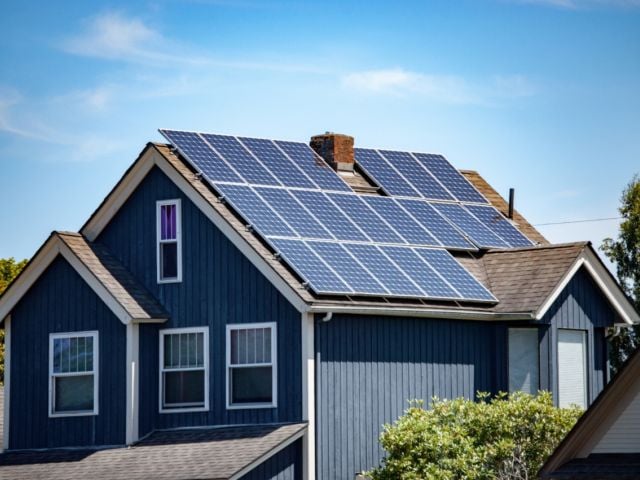
EWG news roundup (11/5): EWG’s 2021 national drinking water database and more
Bipartisan infrastructure bill includes $10 billion for cleanup of ‘forever chemicals’
Black lentils, also known as black beluga due to their resemblance to caviar, are one of the earliest known cultivated crops. Native to the Nile, Tigris and Euphrates valleys, lentils are also grown in eastern Washington, northern Idaho, and western Canada. Black lentils are sold dried in bags, and by bulk. But they can sometimes be hard to find.
Cook: Some people like to rinse and soak lentils

From my book “What The Fork Are You Eating?” © Stefanie Sacks, 2014
Like many legumes, white beans are produced by plants that grow to about 2 feet tall and yield many 5-inch pods with five or six seeds or beans each. They are usually found dried in bags, and in most grocery stores’ bulk section, as well as cooked, in jars, boxes or cans.
Cook: Like many other legumes, white beans can be
