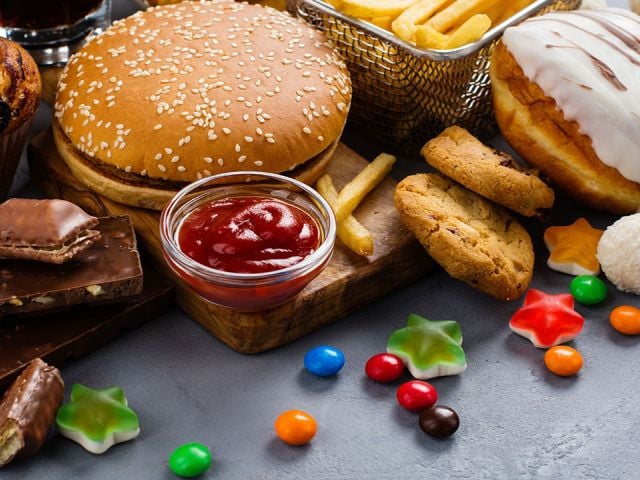
Ultra-processed foods, or UPF, have flooded our food supply while undermining public health. Today, an estimated 70% of all packaged food sold in the U.S. is ultra-processed .
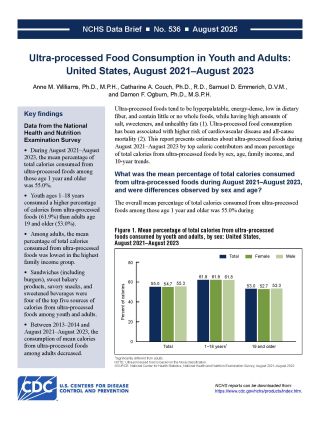
UPF make up more than half the typical adult’s diet and nearly two-thirds of children’s diets. Experts agree these foods are a leading driver of chronic illnesses like type 2 diabetes, heart disease, depression and cancer.
It’s not an accident that UPF are widely available, affordable and even addictive. Food companies made them this way, taking tactics straight from the tobacco industry – and the U.S. has failed to regulate them at every turn.
Big Tobacco made food its business
At the turn of the 20th century, highly processed foods were a novelty. During the World Wars, they became a necessity, as the U.S. found ways to get food to soldiers without spoiling.
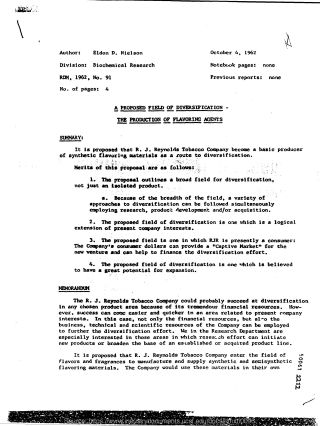
But what happened next turned them into a business model. Beginning in the early 1960s, tobacco conglomerates started expanding aggressively into the food industry. They shifted their marketing expertise and resources, honed over years of selling cigarettes, to the food industry. An internal memo noted they were not just in the tobacco business, but the “flavor business.”
Cheap ultraprocessed foods flooded grocery stores. By 2001, grocery foods were 2.4 times more likely to be “hyperpalatable,” compared to 1988.
It was a lucrative play. Profits soared as corporations engineered foods designed to capture consumers and keep them coming back for more.
Meanwhile, evidence linking UPF to many adverse health outcomes mounted, and experts started to see their addictive potential.
The U.S. has resisted UPF regulation
More than a dozen countries have mandated front-of-package warning labels for foods high in sodium, fats and sugars – a first step towards helping people choose healthier foods. But the U.S. government has made no such changes.
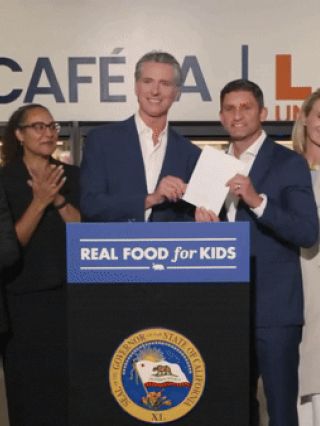
Now, states are taking initiative in limiting and banning UPF. In 2025, California became the first state to ban UPF from school meals and proposed non-UPF certification labels for consumer products. Other states are following suit (see EWG’s interactive food tracker to find out more about state action).
Yet even as the 2026 Dietary Guidelines call for dramatic cuts in consumption of highly processed foods, the Food and Drug Administration missed its own deadline for defining UPF – and failed to implement any meaningful regulation of these foods.
EWG’s timeline shows the key events in the history of ultra-processed food and explains how it became so deeply embedded in our food supply.
Pre-World War II
Industrially formulated, artificial ingredients first appear in the food supply.
1885
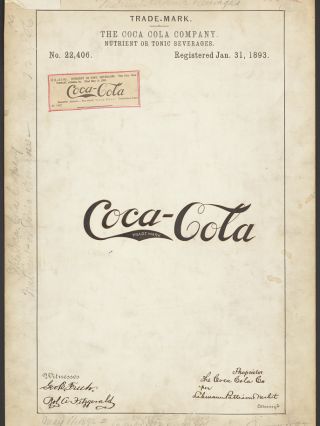
The first iteration of Coca-Cola syrup is made with cocaine extracts and marketed as a medical remedy for “nerves.”
1937
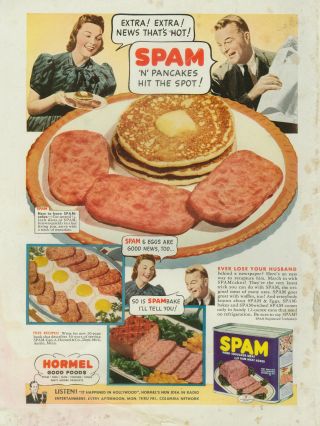
The canned meat Spam is invented. It would later be used to feed soldiers and local residents during periods of wartime occupation, gaining massive popularity.
WWII-1950s
During World War II, the need to feed soldiers prompts the invention of new ingredients and processing techniques. They are eventually adapted for consumer use.
1960s-1990s
As the tobacco industry faces growing regulation, some of its largest members start acquiring food companies. Tobacco research and marketing strategies are used to develop new foods.
1962
The tobacco industry sees the need for diversification. An internal memo from R.J. Reynolds, one of the nation’s largest cigarette makers, argues for entering the food sector. The company says it is not just in the tobacco business but in the “flavor business.”
1973
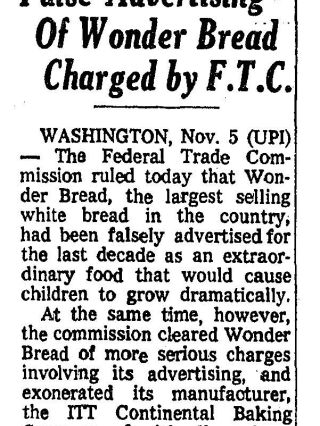
The Federal Trade Commission finds Wonder Bread has falsely advertised its product as causing children to grow dramatically.
1996
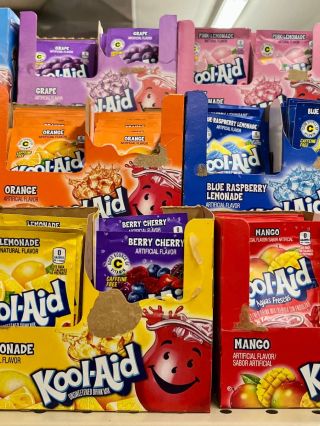
Kraft Foods determines that 30% to 35% of Kool-Aid and Tang consumption is by Black and Latino communities. The company also outlines marketing strategies targeting these groups in an internal memo.
1999
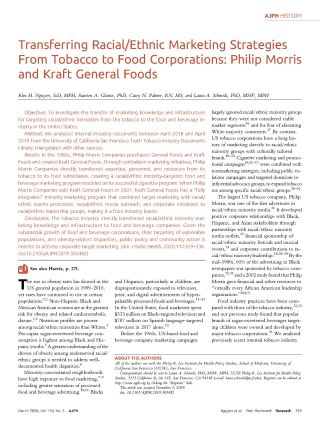
In internal documents, Kraft Foods refers to its race- and ethnicity-based campaigns borrowed from cigarette marketing as “fully integrated,” that is, they combine direct advertising, philanthropy and community partnerships to maximize UPF marketing.
2000s-2010s
Carlos Monteiro coins the term ”ultra-processed food.” Research links UPF to chronic diseases. The U.S. resists calls for regulation, even as other countries take action.
2009
Brazilian epidemiologist Carlos Monteiro coins the term “ultra-processed food” and introduces his four-part NOVA classification system, which categorizes foods by the extent of their industrial processing.
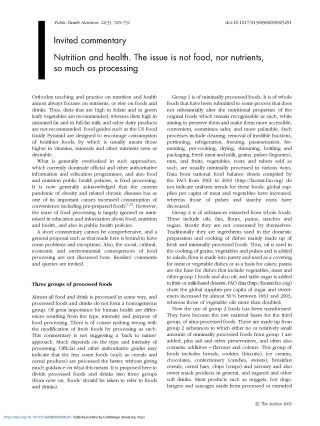
2014
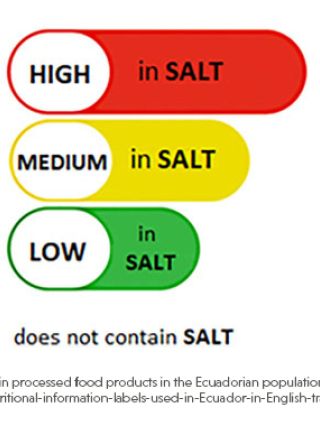
Ecuador adopts mandatory “traffic light” nutrient labels that may appear on the front, back or side of packaged products. The labels classify foods using red, yellow or green lights based on sodium, sugar, fat or saturated fat content. Other countries will implement similar labels in the next decade.
2018
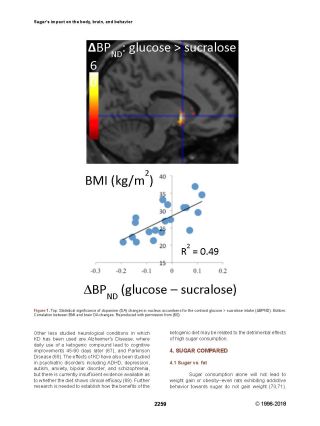
The director of the National Institute on Drug Abuse releases a study based on brain imaging showing sugar triggers reward centers and compulsive behaviors similar to those of addictive drugs.
2020-present
Research cements the scientific basis for health harms of UPF and adds to evidence of potential addiction. In the absence of federal action, states like California take the lead.
2026
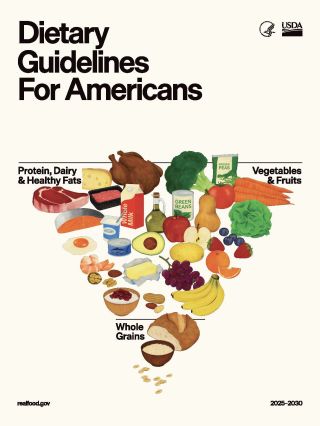
The Trump administration’s 2025-2030 Dietary Guidelines recommend eating less highly processed foods.
An EWG analysis finds almost all new food chemicals enter the food supply without federal safety review.